
Job Hunting is Hard Enough!
How a job loss makes you a mark on LinkedIn and how to protect yourself.
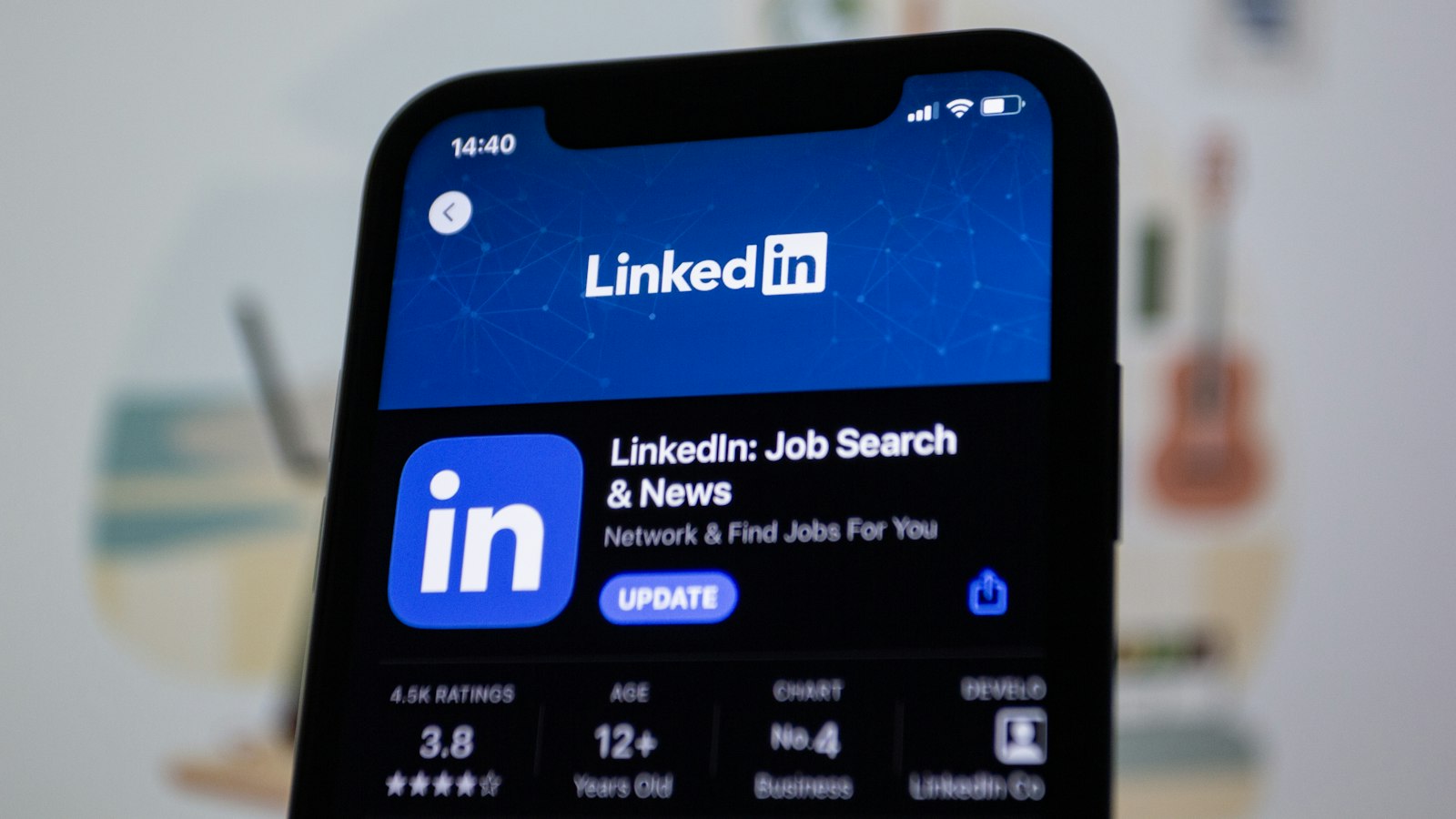
Like so many others in software engineering, I was made redundant this year due to restructuring. My situation was common, primary provider, family at home that depends on me, and no job; no source of income. Panic hit me, I was questioning my worth and my career choices, and VERY motivated to change that situation as quickly as possible.
I displayed my #OpenToWork banner, announced my job loss, updated my resume and hit the job boards.
That is when I discovered just how prevalent job scams are on #LinkedIn. I became a mark and a victim. I handed over money under the promise that a resume rewrite would put my resume in the hands of a hiring manager.
Perfect job offer. No ATS interference. A "recruiter" on my side. Take my money!
And that they did...
I received a Claude rewrite of my resume for my money and the "recruiter" became a ghost. There was no job.
I do not want that to happen to you.
The reason these scams are effective is because we’re desperate for a job and vulnerable and willing to take steps that we believe will improve our chances of getting hired. Our guard is down. If you’ve fallen victim to one of these scams, don’t be ashamed. These people are really good at what they do.
Of course, there are legitimate professional resume and career services as well as lots of legitimate recruiters available on LinkedIn. You may choose to get professional assistance from one, which makes taking steps to validate the service essential before handing over any money. A legitimate recruiter will never ask you to pay for their service.
This article covers the anatomy of the unfortunately far too common “Executive Resume Rewrite” scam and how to protect yourself from becoming a victim. This is not the only scam out there targeting people looking for work, but the verification steps I discuss in this article will help protect you from most of them.
The hook
While it takes a couple of different forms, the general set-up is:
- An unscrupulous "recruiter" messages you about a job that "you’re a great fit for!" The job description is a perfect match to you! There’s a reason for this: they generated it with Claude using your LinkedIn profile.
- They ask for your resume.
- You provide your resume, and they respond by insisting that you work with their “executive resume writer” to position your resume before presenting you to the hiring manager "because the company requires it to be submitted in a specific format", or "to increase your chances of being selected."
If you decline, they will often flood your inbox with urgent messages making various claims trying to convince you to have them do the rewrite.
That’s the hook. A legitimate recruiter would never do this. That’s your first red flag.
When vetting professional opportunities or business partners online, establishing the individuals true identity is the first line of defense against fraud. Scammers routinely rely on anonymity and fabricated credentials, making a rigorous background check essential before any formal commitments or financial transactions take place.
If someone contacts you about an opening and the job matches your work history and skillset a little too closely, be on high alert.
- Ask for official contact information, including a business email address and business phone number.
- Check the email address. Is it linked to a business account? If it’s a Gmail account, that’s a red flag.
- Validate the business phone number. If they refuse to provide one, that’s a red flag. If they provide one, Google it. Is it a phone number linked to a legitimate business? If not, be cautious. Then call it to verify. A scammer typically won’t provide contact information like a phone number that can be easily linked back to them.
- Validate the LinkedIn profile. Pull a copy of the profile picture and reverse image search it. Is it from a stock photo site? If so, that’s a scam account. Does it link to more than one profile? If so, they are impersonating someone else. Does the profile have a lot of followers? If they only have a few, be careful; it could be a fake or recently created account.
- Finally, ask for a reference. Are they willing to provide one? If so, before you hand over any money, check the reference. If they refuse, that’s another red flag.
If ANY of these steps don’t check out, don’t hand over your money. Real professionals welcome due diligence, while bad actors rely on pressure tactics and obscurity to bypass it.
If you want to avoid being a target altogether on #LinkedIn, don't display the green #OpenToWork banner. That marks you. Set your open to work status as open to work to recruiters only. With this you will show up in recruiter searches, but you won't have a target on your profile photo.
Stay safe out there, and if you are currently looking for work, I hope you land somewhere soon!
If you catch a scam account on LinkedIn, please report it.
About the author
- I am a Senior level frontend engineer and design technologist with 15+ years building production UI for ecommerce and SaaS using Vue, TypeScript, and accessible component-driven interfaces. I am based in Denver, Colorado. Check out my portfolio at: https://gemlarin.github.io or Buy Me A Coffee: https://buymeacoffee.com/danny_gibas
Comments
Join the discussionNo comments yet. Be the first to comment.